1. The Spark of Patriotism: Early Life and Influences
Subhas Chandra Bose’s journey as a freedom fighter was deeply rooted in his upbringing, education, and philosophical influences. Born on January 23, 1897, in Cuttack, Odisha, Subhas was the ninth child of Janakinath Bose, a successful lawyer and prominent figure in the British-ruled Indian judicial system, and Prabhavati Devi, a devout and spiritual homemaker. From an early age, Bose exhibited a keen intellect, a questioning mind, and an innate sense of discipline, qualities that would later define his leadership style.

Early Education and Intellectual Foundations
Subhas’s academic journey began at Ravenshaw Collegiate School in Cuttack, where he displayed exceptional intellectual ability and a strong sense of moral values. Known for his insatiable curiosity, young Subhas excelled in his studies, particularly in philosophy and history, subjects that would greatly influence his worldview. His teachers often remarked on his prodigious memory and critical thinking skills, qualities that set him apart from his peers.
In 1913, Subhas moved to Presidency College in Calcutta (Kolkata), where his nationalist fervor began to take shape. His encounter with discriminatory practices by British professors and officials deeply angered him. An incident involving a professor who insulted Indian students led Subhas to organize a protest, showcasing his leadership potential and his unwillingness to tolerate injustice.
The Influence of Swami Vivekananda and Spirituality
One of the most profound influences on Subhas’s life was the teachings of Swami Vivekananda and Sri Ramakrishna Paramahansa. Subhas was introduced to their ideas at an early age, and they became guiding lights in his pursuit of self-realization and service to the nation. Vivekananda’s message of strength, fearlessness, and spiritual nationalism resonated deeply with Subhas. He believed that true freedom extended beyond political independence to include spiritual and economic liberation.
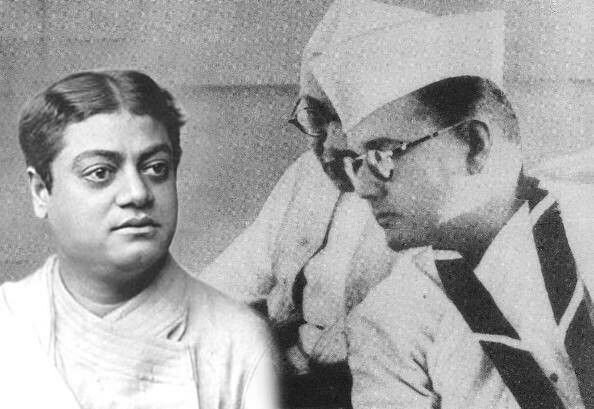
Subhas imbibed Vivekananda’s vision of a strong, self-reliant India and frequently quoted him in his speeches, inspiring others with the idea that spiritual awakening was the foundation of national resurgence. This spiritual grounding gave Subhas the courage to take bold steps throughout his life, even in the face of great adversity.
Family and Moral Foundations
Growing up in a large, disciplined family, Subhas was taught the importance of duty, sacrifice, and service to others. His father, Janakinath, despite serving the British administration, was a nationalist at heart and encouraged intellectual curiosity and debate at home. Subhas’s mother, Prabhavati, was a deeply religious woman whose faith and simplicity left a lasting impact on him. Together, they nurtured his sense of justice and compassion for the underprivileged.
First Encounters with Nationalism
Subhas’s first exposure to the broader nationalist movement came during his teenage years when he witnessed the brutal effects of British rule. Incidents like the Partition of Bengal in 1905 and the Jallianwala Bagh Massacre of 1919 deeply disturbed him, sowing the seeds of rebellion. These events convinced Subhas that passive resistance alone would not be enough to uproot colonial oppression.
A Scholar with a Revolutionary Spirit
Subhas’s academic brilliance earned him a place at Cambridge University in England, where he pursued higher studies. However, his decision to compete for the Indian Civil Services (ICS) in 1920 was not born of ambition but of a strategy to understand the workings of the British system from within. Subhas excelled, ranking fourth in the rigorous ICS examinations, but he soon realized that serving the British administration was incompatible with his nationalist ideals.
In a bold and unprecedented move, Subhas resigned from the ICS in 1921, stating, “The best way to end a government is to withdraw from it.” This decision marked the beginning of his full-time commitment to India’s freedom struggle.
The Spark that Ignited a Revolution
Subhas Chandra Bose’s early life was shaped by a combination of intellectual brilliance, spiritual grounding, and a deep sense of justice. These qualities, combined with the influence of his family, education, and mentors, ignited in him an unshakable resolve to free India from colonial rule. His experiences during this formative period laid the foundation for the revolutionary leader he would become, a man willing to risk everything for the cause of liberty.
This deep exploration into his early years reveals how Subhas Chandra Bose was not just born a patriot but molded into one through the interplay of his environment, values, and relentless pursuit of truth and justice.
2. The Turning Point: Resignation from the Indian Civil Services (ICS)
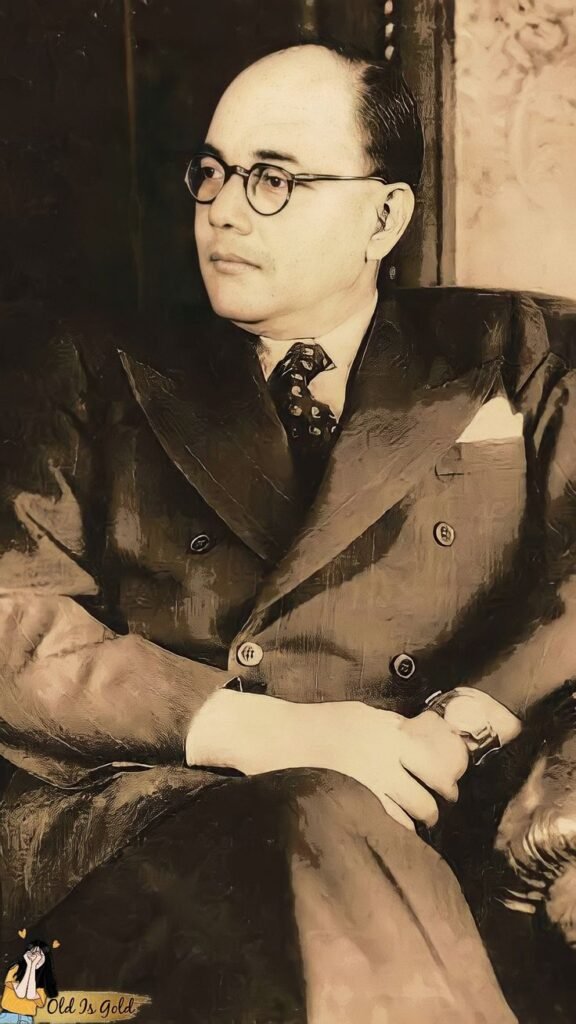
Subhas Chandra Bose’s decision to resign from the Indian Civil Services (ICS) in 1921 marked a pivotal moment in his life and set the course for his revolutionary role in India’s freedom struggle. This act of defiance demonstrated his moral courage, unwavering commitment to the nation, and his determination to dedicate his life entirely to the cause of independence.
The Path to ICS: A Test of Discipline and Resolve
After completing his education in India, Subhas Chandra Bose traveled to England in 1919 to pursue further studies and prepare for the ICS examination. At that time, securing a position in the ICS was considered one of the most prestigious achievements for Indians, as it granted entry into the elite administrative machinery of British India. Subhas viewed it not as a career goal but as a means to serve his country by understanding the British administrative system from within.
Despite his deep-seated resentment towards colonial rule, Subhas approached the ICS exam with the same discipline and brilliance he applied to every aspect of his life. In 1920, he passed the examination with flying colors, securing the 4th rank, a feat that highlighted his academic and intellectual prowess.
The Dilemma: A Clash of Ideals
After clearing the ICS, Subhas faced a profound moral conflict. On one hand, he had the opportunity to secure a prestigious job with the British government, which would grant him financial stability and societal recognition. On the other hand, his nationalist ideals and growing disdain for British imperialism made it increasingly difficult for him to serve a regime he considered oppressive.
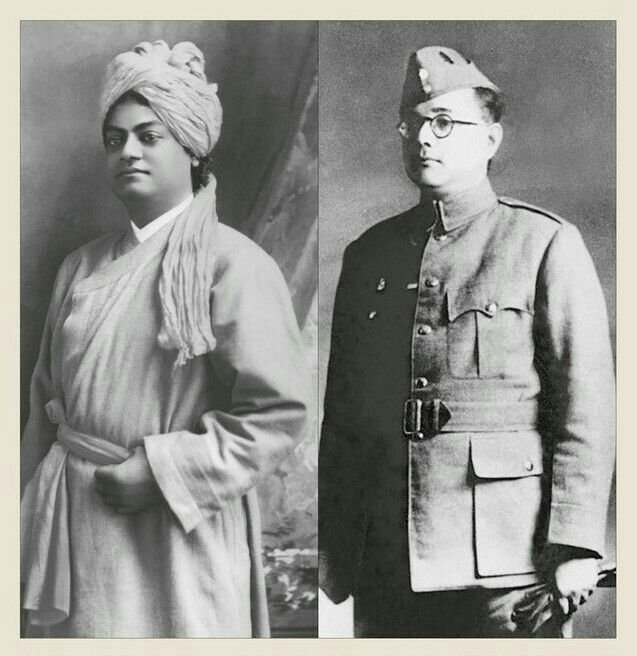
The teachings of Swami Vivekananda, which emphasized selfless service and fearlessness, strongly influenced his decision. Subhas felt that working for the British government would make him complicit in the exploitation of his own people. He later wrote, “The civil service can only be a playground for those who are content to play second fiddle under the British.”
The Decision to Resign
In April 1921, at the age of 24, Subhas Chandra Bose formally resigned from the ICS. This decision was bold, unprecedented, and fraught with personal risk. It meant giving up a secure future and embracing uncertainty. Subhas’s father, Janakinath Bose, initially opposed the decision, as he had high hopes for his son’s career. However, Subhas’s conviction eventually won over his family’s support.
In his resignation letter, Bose wrote:
“I resign from the Indian Civil Service because I do not see my way to serving my country while serving in the civil administration under British rule.”
This statement not only encapsulated his commitment to the nationalist cause but also reflected his rejection of any personal gain at the expense of his principles.
Joining the Freedom Movement
After resigning, Subhas returned to India and immediately immersed himself in the freedom struggle. He was drawn to Mahatma Gandhi’s leadership and joined the Indian National Congress. However, Bose’s approach to achieving independence was more radical than Gandhi’s philosophy of non-violence. While Gandhi emphasized passive resistance, Bose believed in more assertive, revolutionary action to overthrow British rule.
Subhas became a close associate of Chittaranjan Das, a prominent nationalist leader in Bengal, who became his political mentor. Das’s ideals of Swaraj (self-rule) and his emphasis on mobilizing youth deeply influenced Bose. Under Das’s guidance, Bose began organizing protests, strikes, and youth movements, quickly emerging as a fiery and dynamic leader in the Indian nationalist movement.
Impact and Legacy of the Resignation
Subhas Chandra Bose’s resignation from the ICS was a watershed moment in India’s struggle for independence. It symbolized the growing defiance among educated Indians against colonial rule and inspired many young Indians to join the freedom movement. Bose’s bold step demonstrated that true service to the nation required sacrifice and courage.
This decision also cemented his reputation as a revolutionary leader who prioritized the nation over personal ambition. Bose’s act of renunciation was not merely symbolic; it marked the beginning of a life dedicated to achieving India’s independence through relentless struggle, strategic planning, and unshakable resolve.
A Turning Point in Indian Nationalism
Subhas Chandra Bose’s resignation from the ICS exemplified the spirit of self-sacrifice and patriotism that defined his life. It was a defining moment that set him apart from many of his contemporaries. By rejecting the comforts and privileges of colonial service, Bose made a powerful statement against British imperialism. His decision inspired a generation of Indians to reimagine their role in the fight for freedom, making this turning point not just a personal milestone but a significant chapter in the history of Indian nationalism.
3. Rise in Indian Nationalism: Bose and the Indian National Congress
Subhas Chandra Bose’s association with the Indian National Congress (INC) marked a transformative phase in his political career and India’s struggle for independence. As one of the most dynamic leaders of his time, Bose brought energy, vision, and a radical approach to the Congress. While his time within the INC was marked by significant achievements, it also highlighted ideological tensions that ultimately set him on a path distinct from other Congress leaders, particularly Mahatma Gandhi.
Joining the Indian National Congress
After resigning from the Indian Civil Services (ICS) in 1921, Bose returned to India and immediately joined the INC. He was drawn to the Congress as it was the principal organization leading the charge against British rule. Bose was deeply inspired by its goal of achieving Swaraj (self-rule) and saw the INC as a platform to rally Indians toward a united struggle for independence.
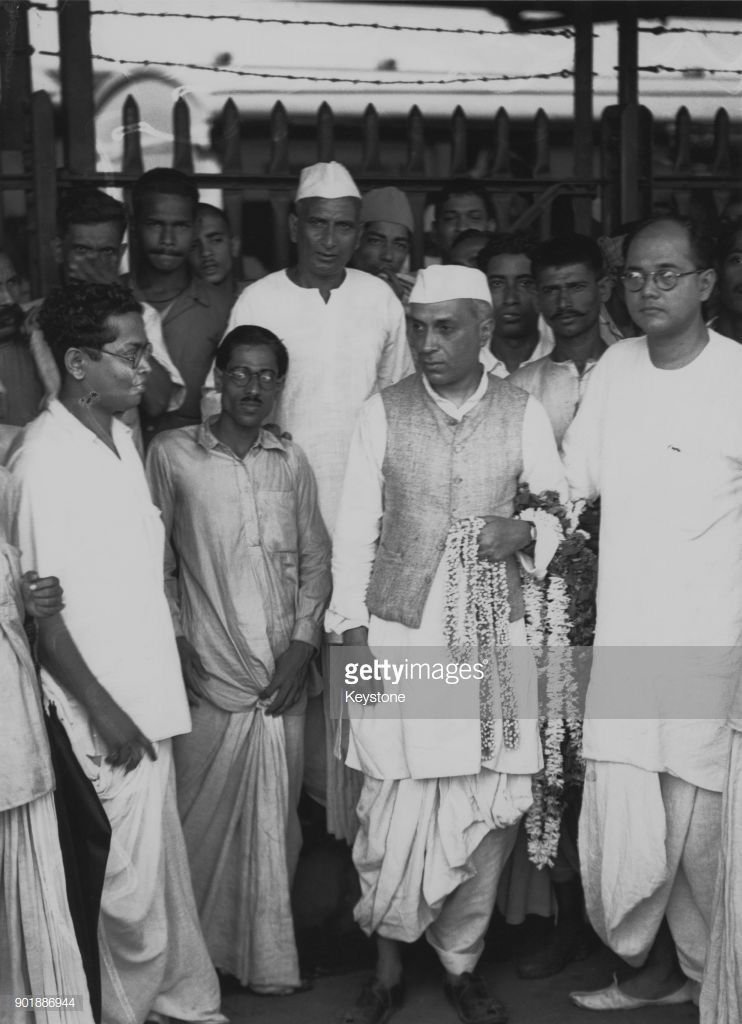
Bose quickly aligned himself with Chittaranjan Das, one of the most prominent nationalist leaders in Bengal. Known as “Deshbandhu” (Friend of the Nation), Das became a mentor to Bose, helping him understand the nuances of leadership and the intricacies of political organization. Bose referred to Das as his political guru and worked closely with him to mobilize youth and organize protests in Bengal. He was appointed as the Chief Executive Officer of the Calcutta Municipal Corporation under Das’s mayoral leadership, where he demonstrated exceptional administrative skills and commitment to public service.
Emergence as a National Leader
Bose’s oratory skills, organizational abilities, and unwavering patriotism quickly earned him recognition within the Congress. He became one of the youngest leaders to rise to prominence and was particularly popular among the youth. By the late 1920s, Bose had become the face of militant nationalism within the Congress, advocating for complete independence (Purna Swaraj) as opposed to the dominion status initially sought by other leaders.
His ability to connect with ordinary Indians and inspire them with his fiery speeches and unshakable commitment to the cause made him a symbol of hope for a restless generation. He also emphasized the importance of industrial and technological advancement, envisioning a self-reliant India that could stand shoulder-to-shoulder with global powers.
Clashes with Gandhi and Moderate Leaders
While Bose admired Mahatma Gandhi’s leadership and his ability to mobilize the masses, he fundamentally disagreed with Gandhi’s strategy of non-violent resistance (Ahimsa). Bose believed that non-violence alone would not suffice to overthrow the British Empire. Instead, he advocated for a more aggressive and revolutionary approach, including the use of armed struggle, if necessary. This ideological divergence created tensions between Bose and the more moderate faction within the Congress.
The disagreement came to the forefront during the Civil Disobedience Movement (1930-1934) and other key campaigns. While Gandhi and his supporters emphasized gradual reform and negotiations, Bose pushed for immediate action and complete independence. These differences became more pronounced as Bose’s radical views gained popularity among the younger members of the Congress.
The Haripura Congress Session: Bose as President
In 1938, Bose reached the pinnacle of his influence within the Congress when he was elected as the President of the INC at the Haripura Session. His election symbolized the growing support for his vision of a militant and self-reliant India. As President, Bose laid out an ambitious plan for economic and industrial development, including the modernization of agriculture, universal education, and scientific advancement. He envisioned India as a strong, industrialized nation capable of standing independently in a post-colonial world.
Bose also proposed the idea of a National Planning Committee, which was the precursor to India’s post-independence planning commissions. His emphasis on economic self-sufficiency and infrastructure development highlighted his forward-thinking approach to nation-building.
The Tripuri Congress Session and the Split
In 1939, Bose was re-elected as the President of the Congress at the Tripuri Session, defeating Gandhi-backed candidate Pattabhi Sitaramayya. However, his victory deepened the rift within the Congress. The conservative faction, aligned with Gandhi, opposed Bose’s leadership and policies, leading to significant internal conflict.
Bose’s demand for a more aggressive stance against the British, coupled with his criticism of Gandhi’s methods, isolated him within the Congress leadership. Unable to reconcile these differences, Bose resigned from the presidency and eventually left the Congress altogether. This marked the end of his formal association with the INC but also set the stage for his independent initiatives in the freedom struggle.
Legacy within the Congress
Despite the ideological clashes, Bose’s time in the Congress left an indelible mark on India’s independence movement. He introduced a sense of urgency and action that galvanized the younger generation. His presidency underscored the need for a broader, more inclusive vision of independence that addressed not only political liberation but also economic and social progress.
Bose’s departure from the Congress reflected the diversity of thought within India’s freedom struggle. While Gandhi’s non-violent resistance remained the dominant strategy, Bose’s revolutionary approach added a critical dimension to the movement, ensuring that the fight for independence remained multifaceted and dynamic.
Conclusion: A Leader Who Dared to Challenge
Subhas Chandra Bose’s rise in the Indian National Congress demonstrated his unparalleled leadership qualities and his willingness to challenge conventional strategies for the greater good of the nation. His time in the INC was marked by a relentless push for immediate independence, a commitment to modernization, and a vision of a united, self-reliant India. Though his path ultimately diverged from the Congress, his contributions during this period established him as one of the most influential leaders of India’s freedom struggle.
4. A New Path: Formation of the Forward Bloc
After resigning from the Indian National Congress (INC) in 1939, Subhas Chandra Bose embarked on a bold new political journey by founding the Forward Bloc. This step marked his determination to pursue a more aggressive and revolutionary path to achieve India’s independence. The Forward Bloc became a platform for Bose to rally like-minded individuals who shared his vision of immediate, uncompromising action against British rule.
The Need for a New Platform
Bose’s differences with the INC leadership, especially with Mahatma Gandhi and his followers, had reached an irreconcilable point. The ideological rift was rooted in Bose’s demand for a more militant strategy and his criticism of the Congress’s moderate approach. While Gandhi and his supporters advocated non-violent resistance and gradual negotiations, Bose argued for direct confrontation with the British, even if it required armed struggle.
After resigning as the Congress President following the Tripuri Congress Session (1939), Bose realized that the existing Congress framework could no longer accommodate his revolutionary ideas. He sought to create a new platform to unite individuals who were willing to take immediate, radical steps for India’s freedom.
Establishment of the Forward Bloc
In May 1939, Bose officially launched the Forward Bloc as a faction within the Indian National Congress. The primary objective of the Forward Bloc was to consolidate all leftist and radical elements within the Congress and unite them under one umbrella. Bose envisioned the bloc as a driving force to push the freedom movement in a more militant direction.
The Forward Bloc’s ideology emphasized:
- Immediate Independence: A call for complete and unconditional freedom from British rule.
- Socialist Principles: Economic policies aimed at eliminating poverty, promoting equality, and empowering the working class.
- Mass Mobilization: Encouraging active participation from peasants, workers, and youth to create a broad-based revolutionary movement.
Policies and Programs
The Forward Bloc aimed to achieve its objectives through a mix of political activism, mass mobilization, and ideological education. Some of its key programs included:
- Boycotts and Protests: Encouraging Indians to boycott British goods, institutions, and laws to weaken colonial authority.
- Awareness Campaigns: Organizing meetings, rallies, and publications to spread revolutionary ideas and foster a spirit of resistance.
- Worker and Peasant Movements: Supporting labor strikes and agrarian uprisings to challenge the British-backed economic system.
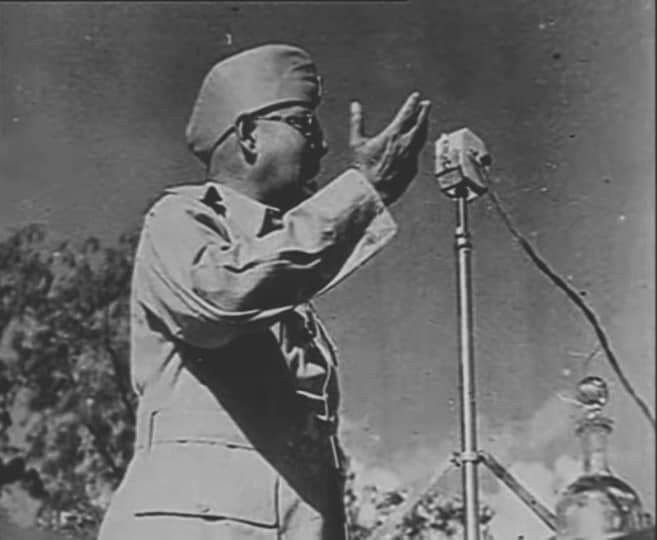
Bose’s speeches during this time were fiery and inspirational. He called for the youth to rise against colonial oppression and invoked a sense of urgency, famously stating, “Freedom is not given, it is taken.”
Challenges and Opposition
The formation of the Forward Bloc was not without challenges.
- Congress Opposition: The Congress leadership, particularly Gandhi and Jawaharlal Nehru, viewed the Forward Bloc with suspicion. Bose’s radical methods and criticism of the Congress alienated him from many of his former colleagues.
- British Suppression: The British government closely monitored the Forward Bloc’s activities and cracked down on its leaders and supporters. Bose himself was frequently arrested, and the organization faced restrictions.
- Internal Struggles: Uniting diverse leftist and radical factions was not easy. Differences in ideology and strategy sometimes created friction within the Forward Bloc.
Role During World War II
The outbreak of World War II (1939-1945) provided a unique opportunity for Bose to intensify his efforts. While the Congress leadership chose to remain cautious during the war, Bose saw the global conflict as a chance to weaken British control over India. He openly opposed the Congress’s decision to cooperate with the British war effort and called for mass protests. This led to his arrest and internment by the British government in 1940.
Legacy of the Forward Bloc
Although the Forward Bloc faced challenges in gaining widespread support during Bose’s lifetime, it left a lasting impact on India’s freedom movement:
- Strengthening Radical Nationalism: The Forward Bloc brought together a diverse range of revolutionaries, socialists, and activists who continued to challenge British rule even after Bose’s departure.
- Influence on Post-Independence Politics: The Forward Bloc continued to exist as a political party after independence, advocating for socialist policies and the empowerment of the working class.
- Inspiration for Youth Movements: The Bloc’s emphasis on youth mobilization inspired a generation of young Indians to take an active role in the fight for freedom.
A Bold Step for a Revolutionary Vision
The formation of the Forward Bloc was a defining moment in Subhas Chandra Bose’s political career. It symbolized his refusal to compromise on his ideals and his determination to pursue a revolutionary path to freedom. Through the Forward Bloc, Bose not only challenged the British Empire but also questioned the limitations of the mainstream nationalist movement. His efforts laid the groundwork for a more assertive and inclusive approach to India’s struggle for independence, solidifying his legacy as one of the most visionary leaders of his time.
5. The Great Escape: Subhas Chandra Bose’s Daring Flight to Germany
Subhas Chandra Bose’s escape from British surveillance in India in 1941 remains one of the most dramatic and audacious episodes in the history of India’s freedom struggle. Known as the “Great Escape,” this event was not only a testament to Bose’s courage and resourcefulness but also marked a significant turning point in his journey as a revolutionary leader. It led to his collaboration with global powers during World War II and the formation of the Indian National Army (INA).
Background: Bose’s Frustration with British Oppression
By the late 1930s, Subhas Chandra Bose had grown increasingly disillusioned with the strategies of the Indian National Congress and the British government’s unyielding attitude toward India’s independence. His radical views and call for immediate freedom made him a target for both the British authorities and the moderate Congress leadership.
In 1940, during World War II, Bose openly opposed the British decision to involve India in the war without consulting Indian leaders. He urged Indians to take advantage of the global conflict to intensify the struggle for independence. His defiance led to his arrest under the Defence of India Act, and he was placed under house arrest in Calcutta (now Kolkata).
The Plan to Escape
While under house arrest, Bose devised a daring plan to escape British surveillance and reach Germany, where he believed he could seek support from the Axis Powers (Germany, Italy, and Japan) to fight against British rule. His plan required meticulous preparation and absolute secrecy, as the British intelligence network was closely monitoring his movements.
Bose’s family, particularly his nephew Sisir Kumar Bose, played a crucial role in the escape. Sisir was a young doctor and a trusted confidant who provided logistical support for the operation.
The Execution of the Escape
On the night of January 16, 1941, Subhas Chandra Bose disguised himself as a Muslim insurance agent named Ziauddin to avoid recognition. He wore a long brown coat, a black fez cap, and spectacles, and he carried a suitcase to complete his disguise. With Sisir driving a Wanderer car, Bose left his house in Elgin Road, Calcutta, under the cover of darkness.
- Journey to Gomoh:
The duo drove nearly 300 kilometers to Gomoh (in present-day Jharkhand), avoiding major roads and checkpoints to evade detection. Bose then boarded a train to Delhi, still in disguise. - Delhi to Peshawar:
From Delhi, Bose continued his journey to Peshawar (now in Pakistan), a city with a strong underground network of revolutionaries. He was aided by local activists, including Bhagat Ram Talwar, a trusted associate who helped Bose cross into Afghanistan. - Crossing into Afghanistan:
This leg of the journey was fraught with danger, as the British intelligence network was particularly vigilant in the North-West Frontier region. Disguised as a deaf and dumb Pashtun, Bose managed to evade suspicion and crossed into Afghanistan with Talwar’s assistance. - Journey Through Central Asia to Moscow:
From Kabul, Bose traveled to Moscow, using forged travel documents and adopting multiple aliases. His ultimate goal was to reach Germany and secure support for India’s freedom movement.
Arrival in Germany
After weeks of perilous travel, Bose finally reached Berlin in March 1941, where he was welcomed by the Nazi leadership. He believed that aligning with the Axis Powers, who were at war with Britain, would provide him with the resources and support needed to overthrow British rule in India.
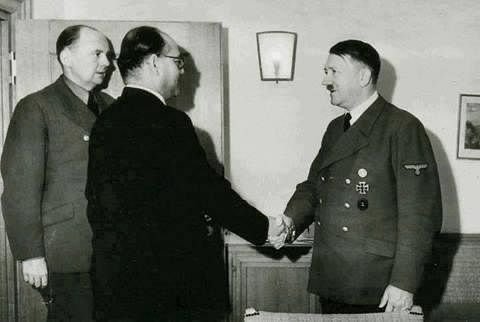
- Broadcasts on Azad Hind Radio:
In Germany, Bose began broadcasting messages to India via Azad Hind Radio, urging Indians to rise against British rule. His speeches, delivered in Hindi, Bengali, and English, were aimed at inspiring Indians to join the struggle for independence. - Formation of the Free India Centre:
Bose established the Free India Centre in Berlin, which served as a hub for coordinating revolutionary activities and garnering international support for India’s freedom.
Significance of the Great Escape
- A Strategic Move Against British Rule:
Bose’s escape symbolized his unyielding determination to liberate India by any means necessary. By reaching Germany, he expanded the scope of the freedom struggle to the international stage. - A Moral Boost for Revolutionaries:
The daring nature of Bose’s escape inspired countless Indians who were disillusioned with the slow progress of the independence movement. It demonstrated that bold and decisive action was possible even under oppressive circumstances. - Catalyst for the Indian National Army (INA):
Bose’s journey to Germany ultimately led to his association with Japan and the formation of the Azad Hind Fauj (INA). This army became a powerful symbol of armed resistance against British colonial rule.
Challenges and Criticisms
While Bose’s escape and subsequent alliances with Axis Powers demonstrated his commitment to India’s independence, it also attracted criticism. Aligning with fascist regimes like Nazi Germany and Imperial Japan was controversial, as these regimes were associated with war crimes and authoritarianism. Critics questioned whether Bose’s pragmatic alliances undermined the moral legitimacy of the Indian freedom struggle.
A Testament to Courage and Vision
Subhas Chandra Bose’s Great Escape was not just a physical journey but a strategic maneuver that exemplified his fearless resolve to achieve independence for India. His ability to outwit British intelligence and secure international allies highlighted his resourcefulness as a leader. Although fraught with risks and controversies, the escape paved the way for Bose’s emergence as the supreme commander of the Indian National Army (INA) and cemented his legacy as one of India’s most determined and visionary freedom fighters.
Disclaimer: All the images used in this story belonged to their owners. The credit goes to their respected rightful creators.